Teton Adaptive x Summer Camp in Jackson
Teton Adaptive’s schedule really begins to fill up in the summer months. Teton summers are a magical time, with opportunities to bike on incredible trails, paddle on alpine lakes, and explore all that makes Jackson so special. Our goal is always to help include people with disabilities in activities in the valley, and we noticed a gap in summer camp programs. While there are many day camps in Jackson, most of these programs do not have the infrastructure to support a camper with disabilities joining. That’s where Teton Adaptive and the Community Foundation of Jackson Hole came in.
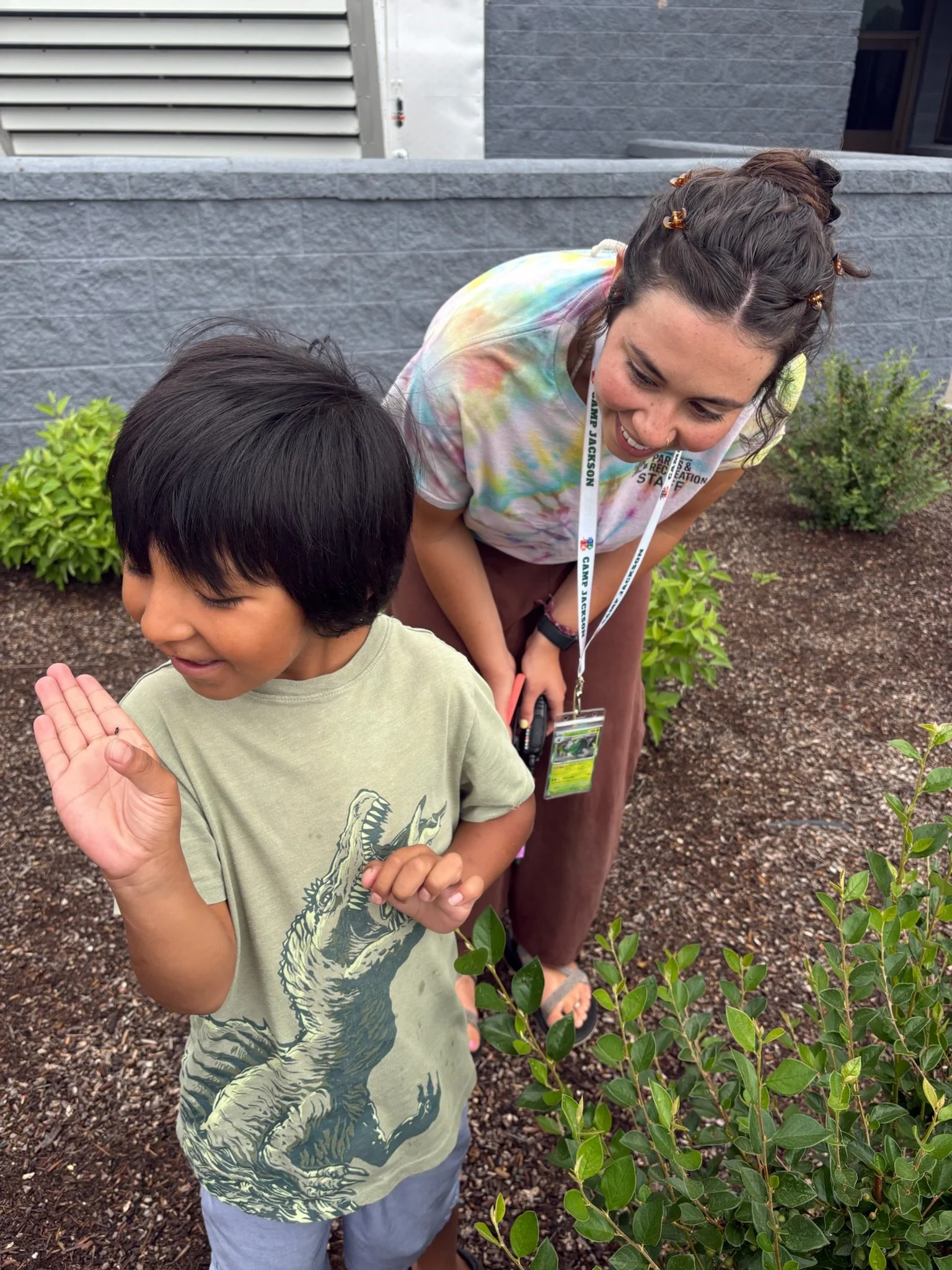
Camp programs are often not designed with inclusion in mind, resulting in unintentional inequities and exclusion, meaning children with disabilities have fewer opportunities to engage with their peers and have much needed social connections. This summer, with support from the Community Foundation of Jackson Hole’s Catalyst Grant, Teton Adaptive teamed up with two local camp programs, Camp Jackson of Teton County Parks and Recreation and Coombs Outdoors, to hire and train an Inclusion Counselor (IC) at each camp. Both Camp Jackson and Coombs had demonstrated a strong commitment to inclusivity, and proactively sought out this collaboration with Teton Adaptive so that they could better serve children who need additional support and resources to thrive. The goal for both of these organizations was to embed the ICs into their programming and build inclusive structures into existing, high quality programs, rather than create parallel, separate camps.
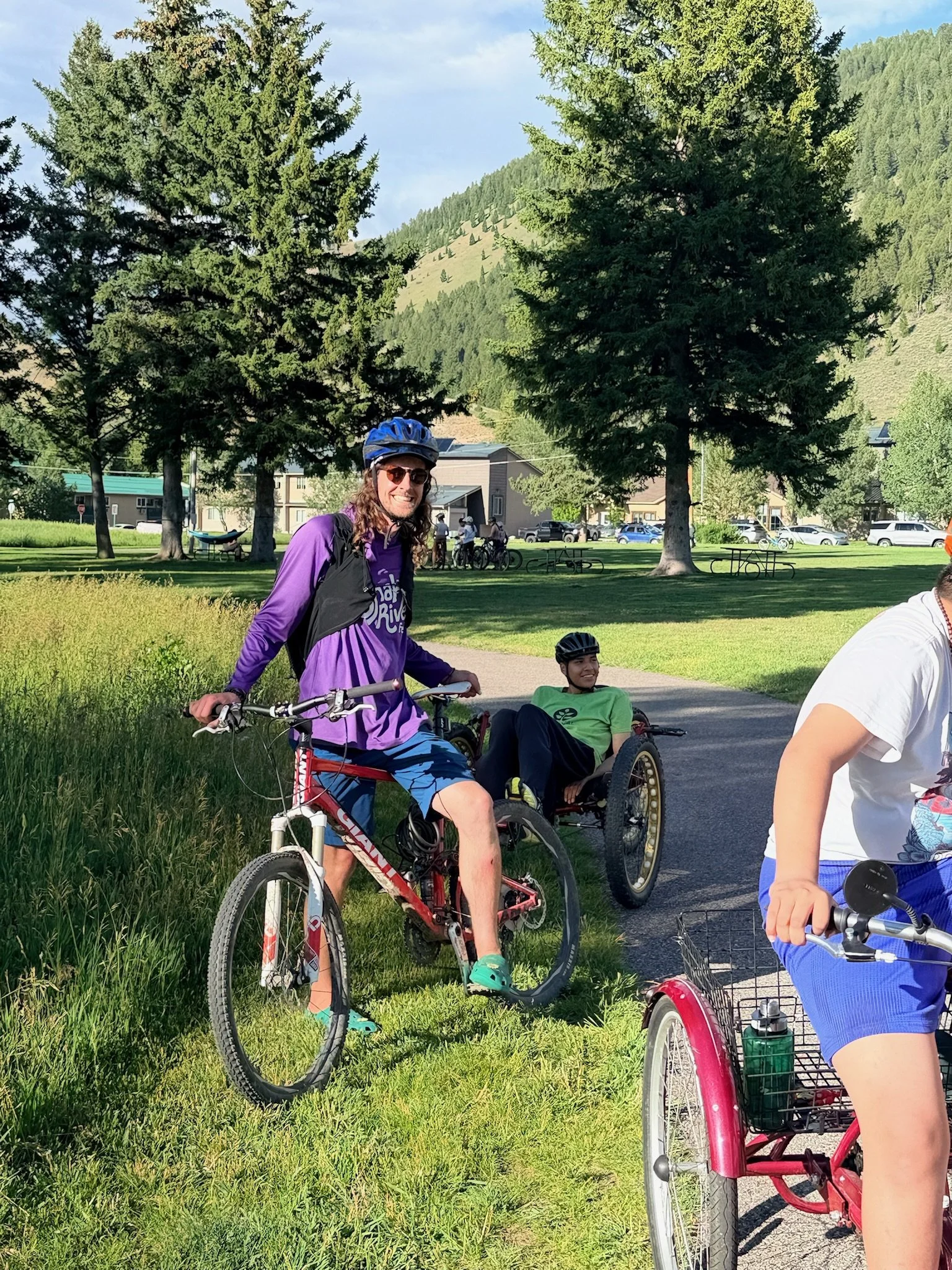
Adding ICs to each of these camps’ programs meant children with disabilities had specialized, sometimes 1:1 staff support, and allowed them to participate activities alongside their peers. The aim of adding ICs was not only to include children with disabilities in summer camp, but also support camps as they create new systems to continue to make their programming more inclusive. Equity and inclusion benefit not only participating children but also the broader community. When peers and educators experience inclusion firsthand, perceptions of disability shift from limitation to natural diversity. Children learn empathy and adaptability, skills that ripple outward into schools and neighborhoods. These cultural changes create a stronger, more connected community where all children can thrive.